
Skip to content

Which trade fair giveaways go down really well with architects and interior architects?

At a glance

  • Classic promotional gifts such as ballpoint pens and logo mugs usually end up in a drawer. Over 50% of the architects and interior architects surveyed consider them unnecessary.
  • The best marketing action at trade fairs is often not a promotional gift but an experience: interactive product demonstrations and guided tours are the most convincing.
  • If you do give something away, make it creative: something edible, lip balm or hand cream go down surprisingly well at trade fairs.
  • Print products haven’t had their day, but they have to surprise: pop-up folding techniques, seed paper or a postcard format instead of extensive brochures.
Published
14/09/25
Reading time
5 minutes
Share
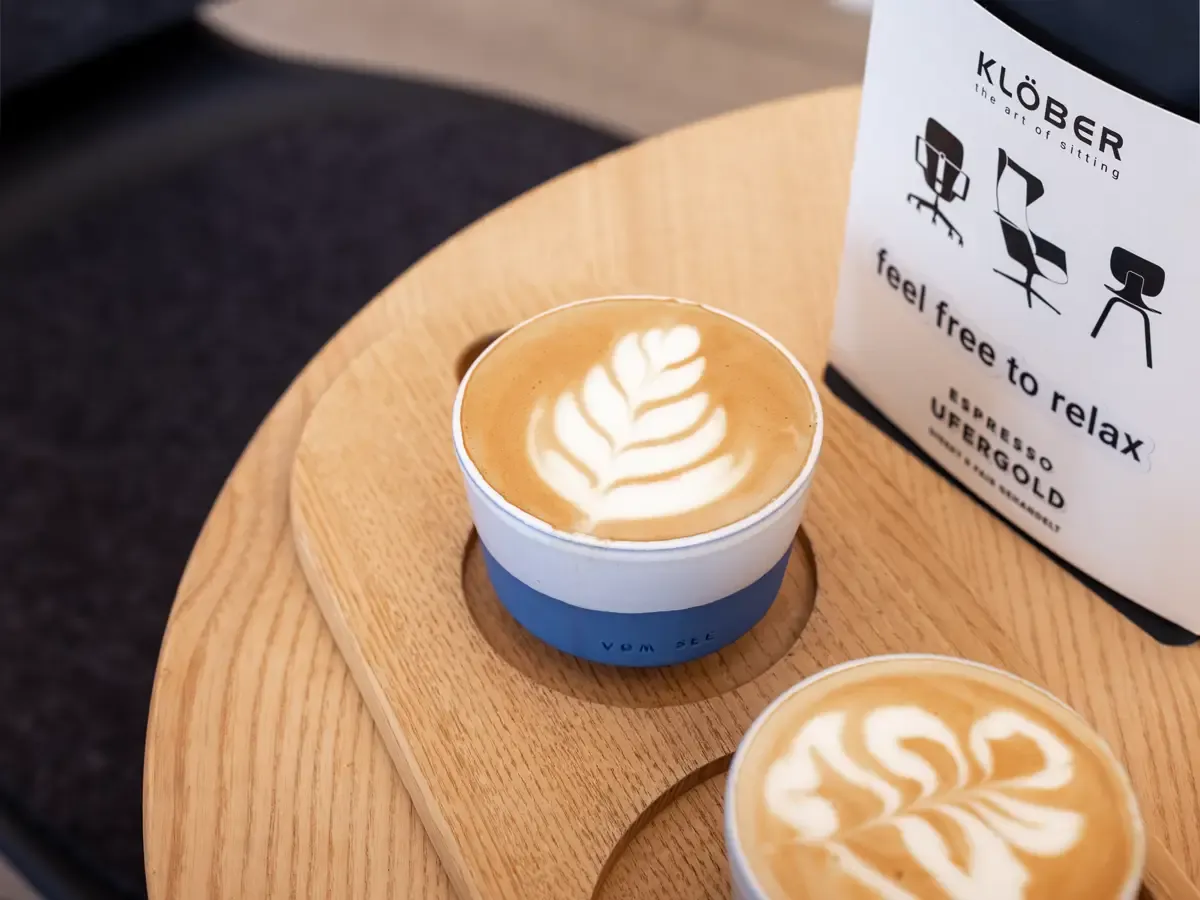
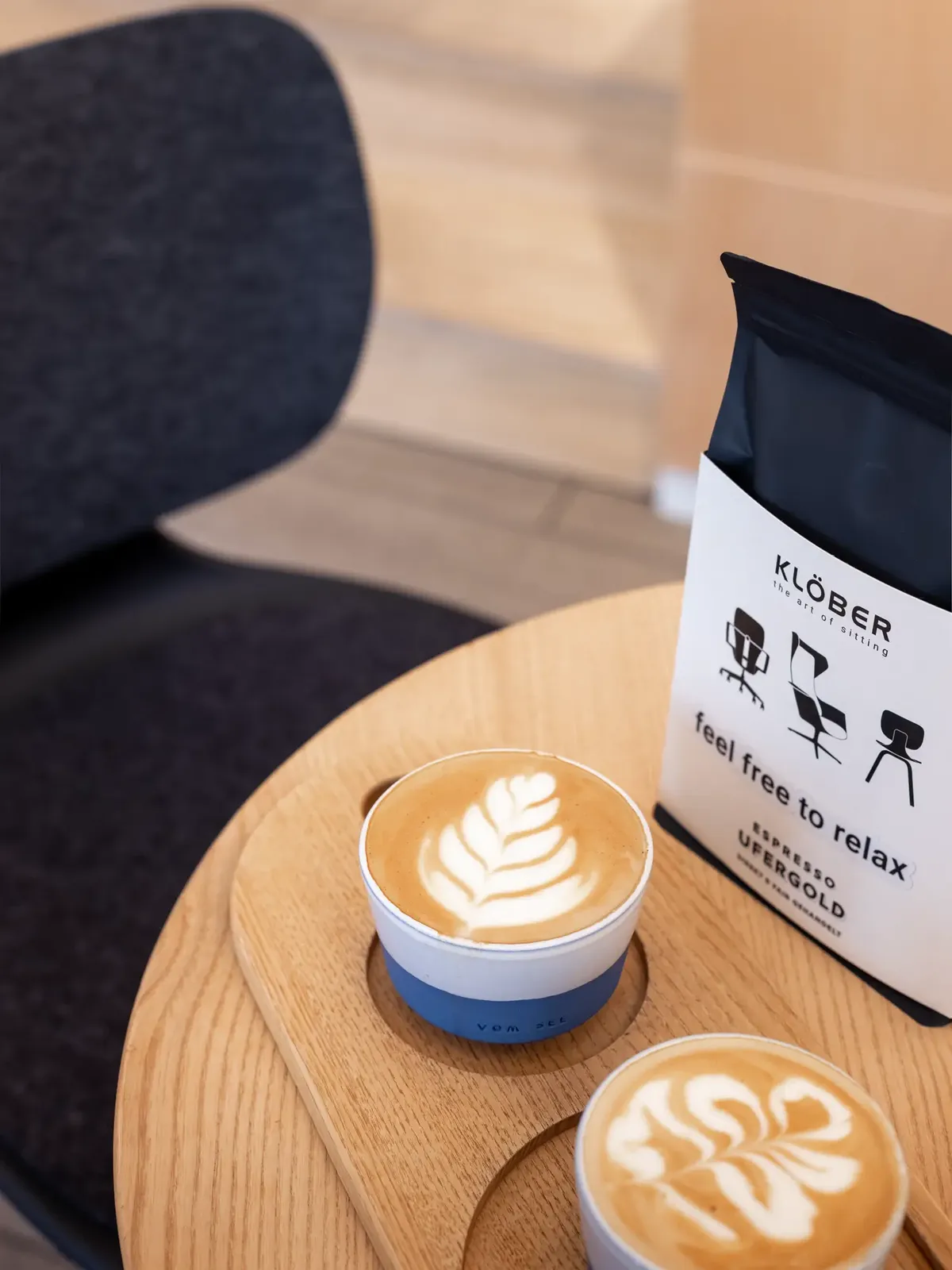
Two cappuccinos with latte art on a wooden table next to a pack of Klöber espresso.
Contents
  1. Bringing the building site into the hall
  2. Guided tours as a service
  3. Is no giveaway better than any old giveaway?
  4. Classic brochure no, origami yes?
  5. Psst, here comes a little communication 101
  6. A little inspiration: giveaways that made it onto our desks
  7. Frequently asked questions

Ballpoint pens, jute bags, notepads: how much marketing budget goes into giveaways every year that end up in an office drawer anyway? We asked architects and interior architects what really leaves a lasting impression. The answer is surprising and shows why the best marketing action is often not a promotional gift but an experience.

This article is an excerpt from our trade fair guide »Messe heute – Messe morgen« (Trade fairs today, trade fairs tomorrow). The guide brings together findings from 16 in-depth interviews with industry representatives and a quantitative study among 126 architects and interior architects. The aim is to give building product manufacturers concrete tips and strategies for making their stands at trade fairs more effective.

Jute bags, ballpoint pens and orange mugs are probably found in every architecture and interior architecture practice. But do they really leave the lasting impression you hope for? Most promotional items practically scream »cheaply produced« and are associated with mass-produced goods rather than value. So which marketing actions should you put your budget, time and energy into instead to coax a satisfied smile out of your target group?

Bringing the building site into the hall

Our conversations for the trade fair guide »Messe heute – Messe morgen« showed that many architects and interior architects appreciate being able to experience products and materials in action. Vivid, practical product demonstrations that show real applications are very popular. Important: the demonstrations should be short and snappy and not last 30 minutes. And if you want to see a satisfied target group and occupational safety allows it, let visitors get hands-on themselves, in line with the motto: what passes through your hands stays in your head.

Guided tours as a service

Sure, big trade fairs already offer guided tours. But why not simply do it yourselves? Architects particularly like tours of your own stand, and ideally beyond it too. Look for partners you can offer tours with. That way, you give visitors an individual trade fair experience that, ideally, relates to their projects and is structured around key topics.

Is no giveaway better than any old giveaway?

We’ll say it plainly: classic promotional gifts such as branded ballpoint pens or mugs printed with logos are often money down the drain. Architects and interior architects much prefer things that are practical or particularly creative. The bad news? There was no clear answer in our conversations on the ideal giveaway, but one tip came up several times: something edible always goes down well. Of course, the giveaway itself won’t stay around for long, but the brand could stick in the memory through this moment of enjoyment. Or how about some lip balm, hand sanitiser or hand cream? Hardly any toiletry is as popular at trade fairs as these three.

Classic brochure no, origami yes?

Print product or not? The answer: it depends. Extensive promotional brochures have mostly had their day, and the digital alternative is becoming increasingly important. But printed matter can still win people over if it manages to surprise. Whether with a clever pop-up folding technique, seed paper for planting or a minimalist overview of new products in postcard format. Ask yourselves: what would you find attractive as visitors yourselves, and how much, and above all what, would you actually want to carry around with you during a day at a trade fair?

Psst, here comes a little communication 101

Dear marketing team, talk to sales regularly. They have a direct line to the target group and know what information is needed. And that’s where you come in: you prepare this information so that it works in conversation.

Dear sales team, remember how important your feedback is for marketing. You have a direct line to the target group and an ear to the market, and you are best placed to say which communication materials support you in conversation.

Our many years of experience in strategy consulting have shown us that the interface between marketing and sales is often neglected. Make sure no information gets lost here. It will be worth it.

Did you know that …

  • over 50% of the architects and interior architects surveyed consider giveaways such as ballpoint pens and flyers unnecessary
  • interactive product demonstrations are rated as one of the best ways to present products
  • guided tours tailored to the participants’ current projects are the ultimate

A little inspiration: giveaways that made it onto our desks
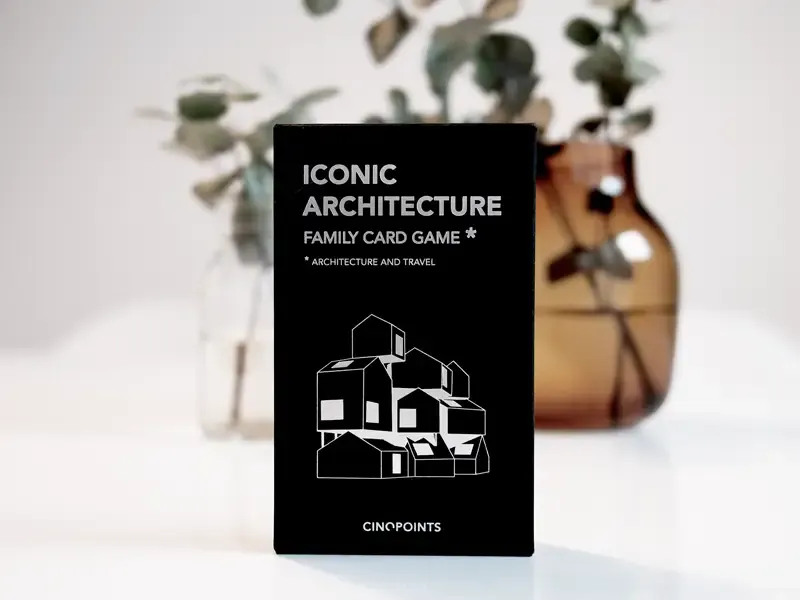
Iconic Architecture Family Card Game playing card set in black packaging with a graphic architectural motif
Giveaways that delight young and old alike? They always go down well. Some visitors take small gifts home to give their children a treat, often two at a time, so that colleagues with children have a little present too.
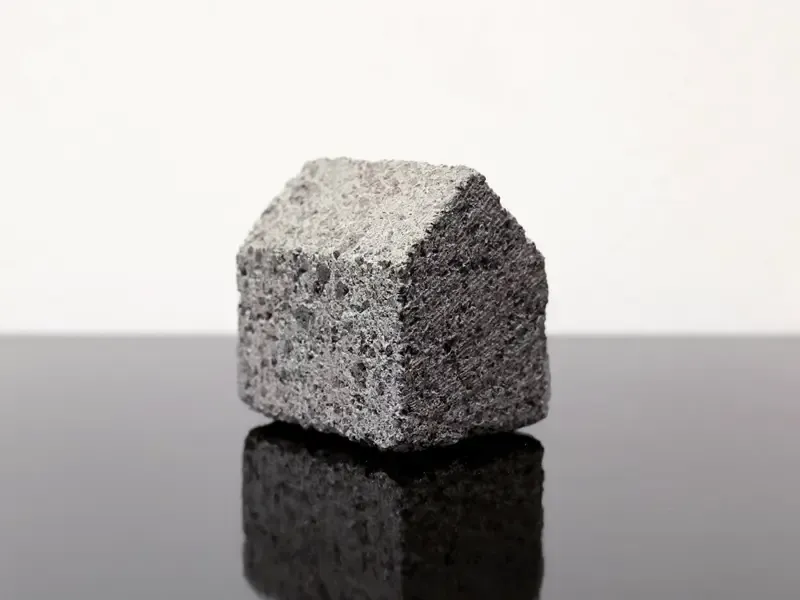
Small model house made of grey stone with a rough surface, minimalist on a glossy black surface
Model house made from demolition material by StadtBauKultur NRW
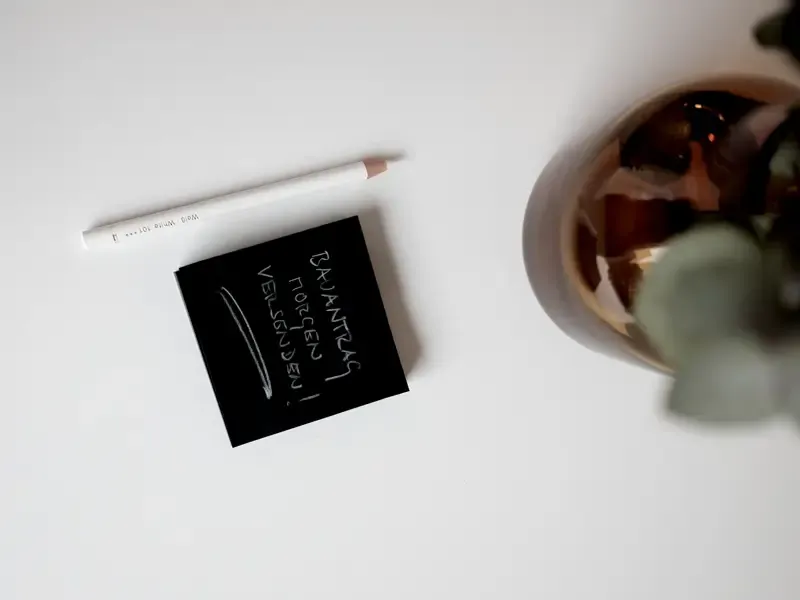
Black Post-it note with a handwritten note next to a white pencil on a white desk
Black Post-it pad with a white Polychromos pencil
Two cappuccinos with latte art on a wooden table next to a pack of Klöber Espresso Ufergold
A giveaway from Klöber that shows good taste in both senses: 250 g of coffee beans from a local roastery, packed with a branded sleeve. It went down so well that some visitors even came back a second time during the trade fair to grab another bag. The way to the mind is through the stomach.

You’ll find more insights in our trade fair guide »Messe heute – Messe morgen«.
Frequently asked questions about this article

How big should the budget for trade fair giveaways be compared with interactive experiences on the stand?

There is no one-size-fits-all figure. Our recommendation: put more budget into experiences (product demonstrations, guided tours, hands-on stations) than into physical giveaways. A large part of the budget often goes into mass giveaways that have hardly any effect. After every trade fair, check which action actually led to follow-up contacts, and adjust the split accordingly.

From what quantity are creative giveaways such as seed paper or branded coffee beans worthwhile at all?

Creative giveaways often pay off even in small runs if you only give them to qualified contacts instead of handing them out to everyone. The unit price is higher than for ballpoint pens, but the effect per contact is usually stronger. Plan for fewer items and hand them over personally during a conversation.

How exactly do I involve sales in planning trade fair communication materials without it getting lost in day-to-day business?

Set up a fixed, short coordination meeting (30 minutes) about eight weeks before the trade fair, to which sales brings the three most frequent questions and objections from the last quarter. From this, you work out which materials are really needed. After the trade fair, there is an equally short review meeting: what was used, what was left over, what was missing? This mini process takes hardly any time and stops marketing and sales from working at cross purposes.

How do I design an interactive product demonstration on the stand if our building products can’t be »demonstrated« spectacularly?

Even with supposedly unspectacular products such as insulation materials, fittings or surface coatings, the »touch and compare« principle works. For example, provide before-and-after samples, let visitors carry out load tests themselves or show the difference from competing solutions in a short live comparison. What matters is not the wow effect but that architects experience the product with their own hands and take away a tangible insight.

Which giveaways should I stop using altogether, even if they are cheap to buy?

Strike generic printed ballpoint pens, logo notepads, standard jute bags and extensive glossy brochures off the list for good. More than half of the architects and interior architects surveyed consider these items unnecessary, and they signal »mass-produced« rather than value. The budget you save is far better invested in a single, well-thought-out giveaway or better activities on the stand.

More articles you might find interesting

Eye-catcher or barrier? What makes trade fair stands attractive and what doesn’t

What architects and interior architects expect from trade fairs

How should manufacturers present reference projects so that they appeal to architects?

Our newsletter from the hej.build world

You’ll be the first to hear about new seminars, webinars and the next hej.bar. You’ll also get our latest articles and news from the team, concise and free of empty phrases. You can unsubscribe at any time.