
How do you organise the trade fair in advance?
I actually go about it quite strategically:
I usually receive lots of »invitations« and teasers in the run-up to the trade fair. I note the exhibitors that interest me on a board in Notion (Editor’s note: Notion is a digital tool for organising and managing notes, projects and databases.).
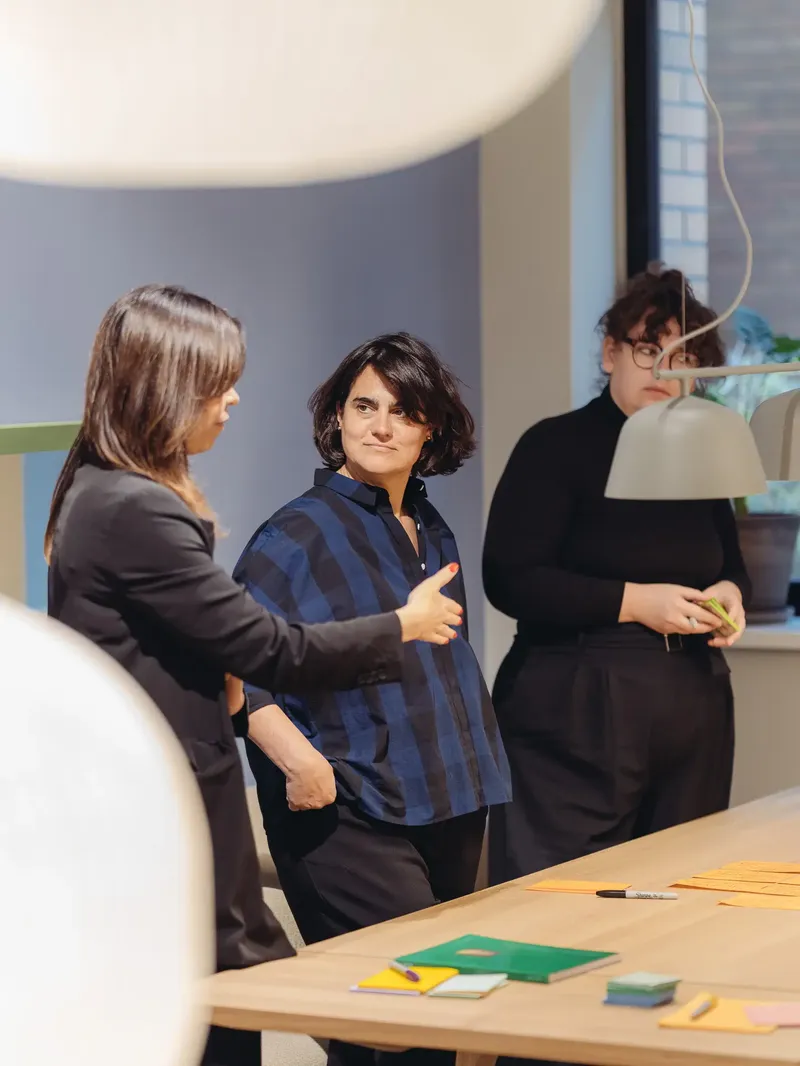
Before the trade fair, I go through the exhibitor catalogue and the hall plan. I mark both exhibitors I’d like to see again and new ones I want to get to know. All of them go on my board, so I have a provisional plan for each hall, with exhibitors, people I’d like to meet and possible topics or reasons to talk. I deliberately don’t arrange fixed appointments here.
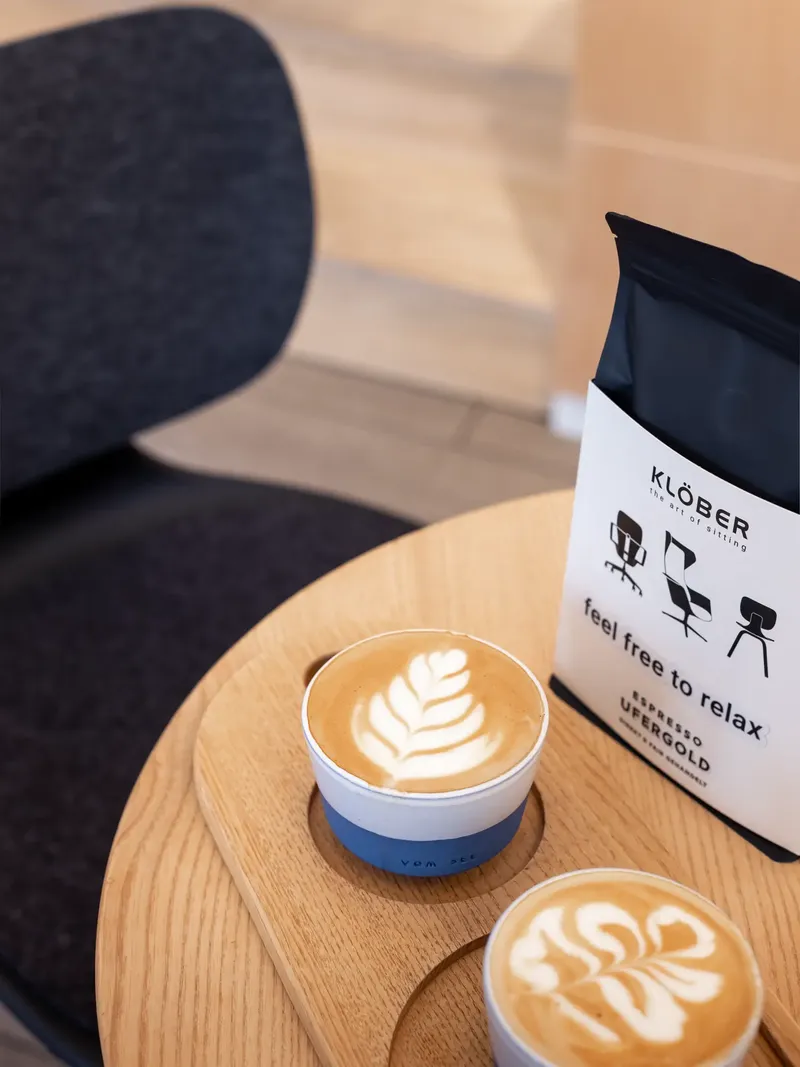
Through LinkedIn, personal invitations or emails, I find out who will be there. I arrange meetings with the people I’d like to meet, ideally right at a stand that serves good coffee! 😉 ☕️ (A not-so-subtle hint.)
Unfortunately, I hardly have any time for talks. Instead, I look at the supporting programme in advance, especially the events in the evenings or on the evening before. From the invitations, I then pick out what sounds exciting and promises to be fun.
How do you feel when you first walk in?
It’s definitely a mix of »Phew, how am I going to get through all this?«, »Yeah, let’s go!« and a lot of excitement.
What makes you linger at a stand?
If a product caught my attention beforehand and I visit a stand specifically because of it, the stand design won’t put me off. But if I have no previous connection to the stand or no specific goal there, my eye quickly moves past less attractive stands. Instead, I concentrate on the areas and exhibitors that make a promising first impression.
Ultimately, Orgatec is primarily about furnishing and creating workplaces. We all know today that a good working environment affects not only employees’ wellbeing but also a company’s economic success. Which makes it extremely relevant and important.
To put this into practice in my projects, I look for partners who support me and think along similar lines. A stand can show that. If the stand gives me the feeling that I won’t find support here in the direction I’m aiming for, I don’t waste any time there either.
That may sometimes mean I rule out a potential partner, but on days like these in particular I have to be focused and selective.
Which stands catch your eye straight away?
Very different stands can win my attention:
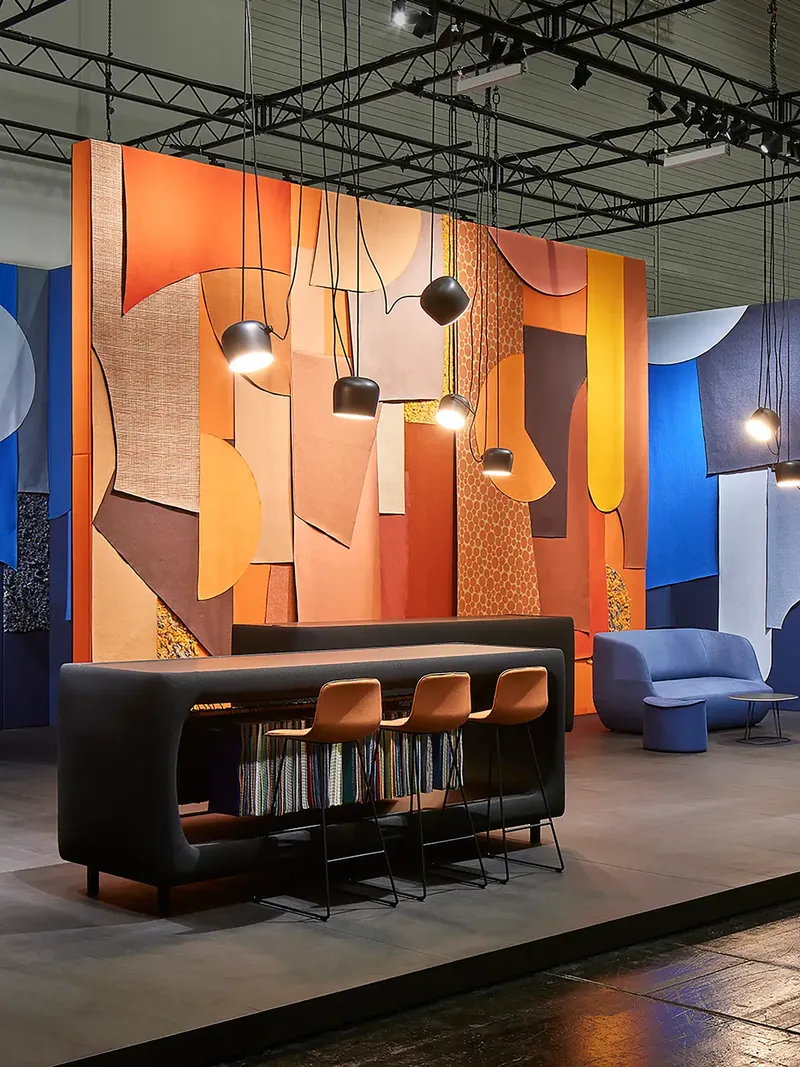
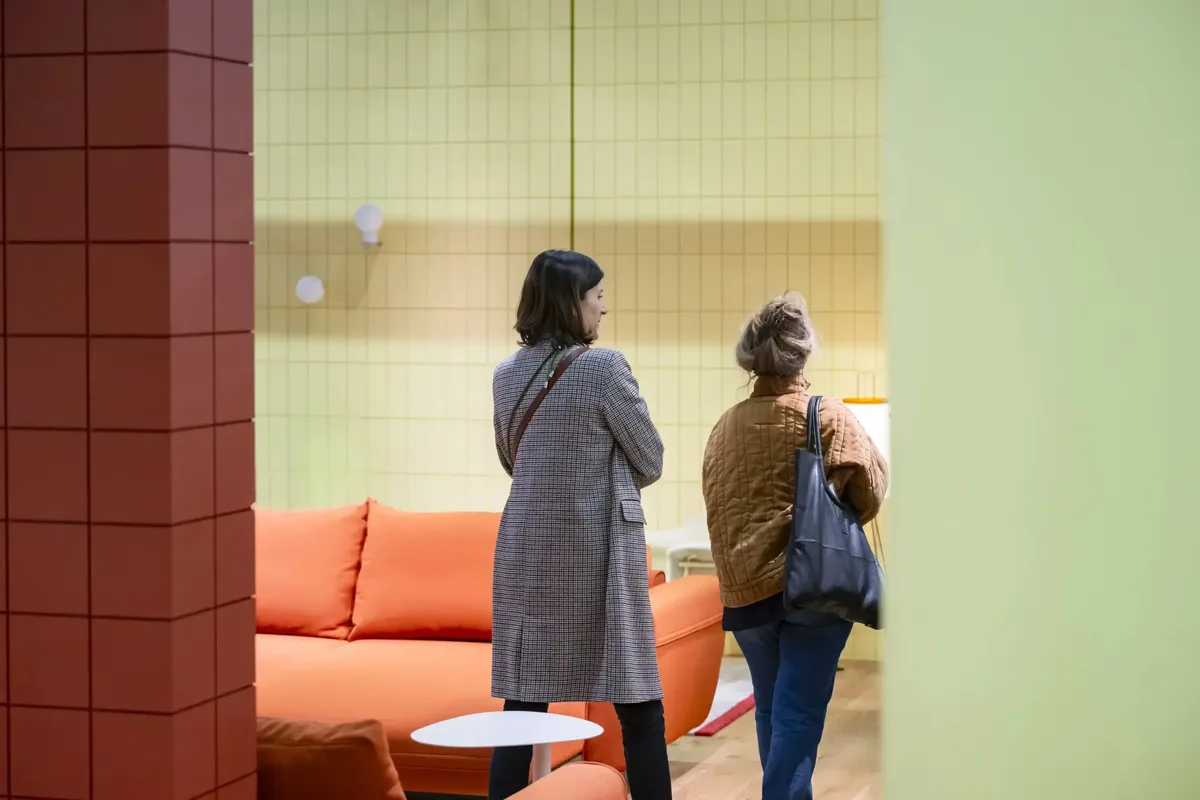
- Stands with an outstanding all-round atmosphere and a well-thought-out design in which colour, light, decoration and furniture work together in harmony.
- Stands that stand out through deliberate reduction.
- Very crowded stands: you really want to find out what’s so special here.
What wins you over at a stand?
If I find a stand or a product interesting, I like to dig deeper. I want to understand the story behind it and find out the real added value. I’m happy when friendly contacts take me along on their journey. It’s important to me that the information goes beyond the obvious. I don’t want to be led from product to product just to see everything. Instead, I want to find out the added value and get to know the stories behind it, partly to check whether I feel well advised and supported.
I usually decline printed materials so that I don’t have to carry too much around with me. But I’m happy to have materials sent to me afterwards. Here, too, the personal touch matters to me: if we agree that a price list will be sent to me, I expect to receive it, and not some general email in which I have to ask for it again.
How do brands stay in your memory?
Here, too, I rely on my Notion database. After every stand visit or conversation, I make short notes on the board I prepared. I add photos of stands and products straight away. Afterwards, I add the most interesting products to my product library.
Particularly helpful, in fact, were the emails that came afterwards with pictures of the (empty) stand and links to all the products presented, or a landing page listing them.
Has the new Orgatec concept proved itself?
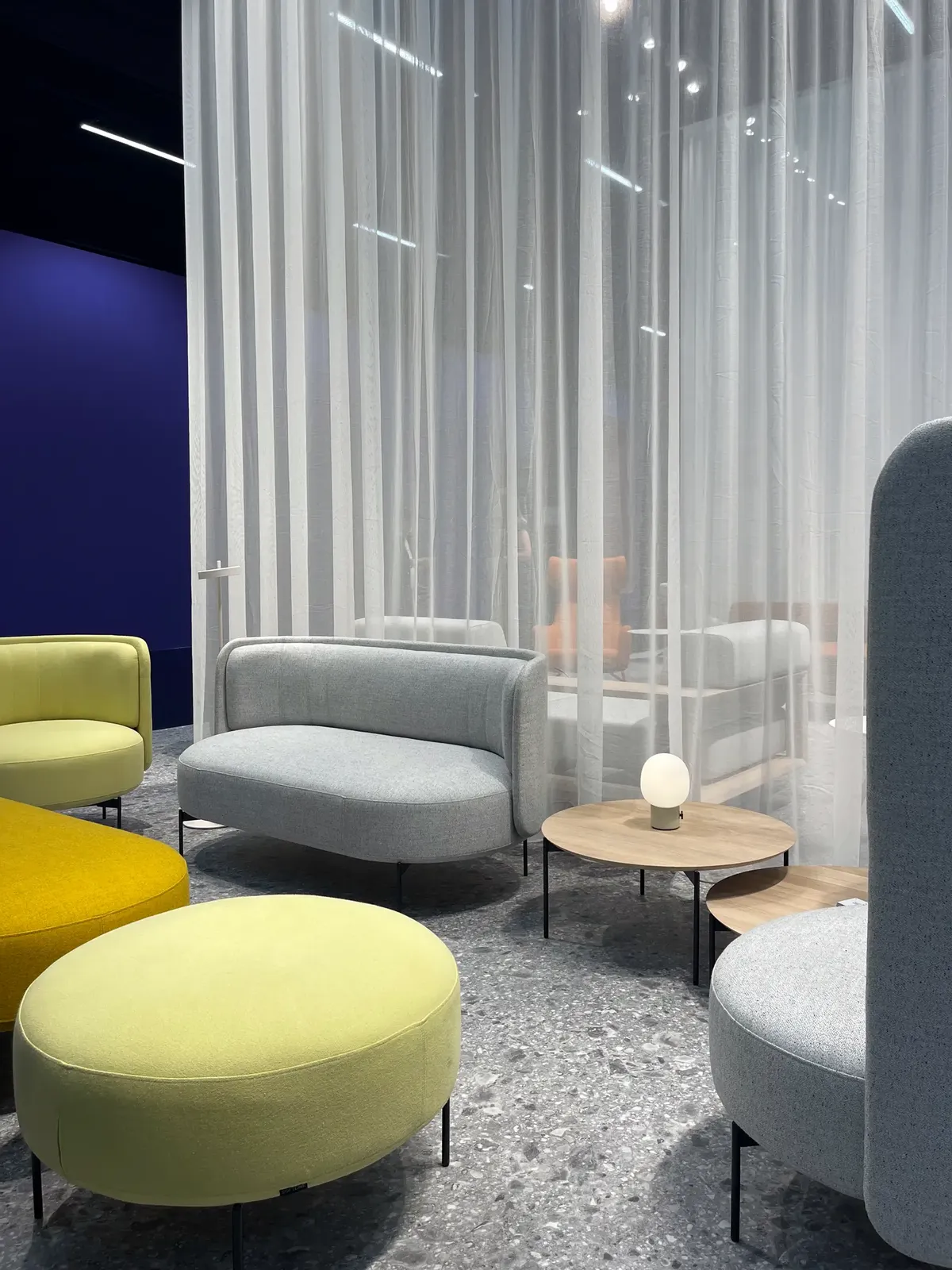
Yes. Even though I hardly attended any of the many talks, I was particularly impressed by the multi-brand areas. Doing away with the classic stand-and-aisle layout greatly improved the sense of space and reflects the development in our offices.
Overall, I experienced a high level of hospitality from the exhibitors, which pleased me a lot and shaped my experience of Orgatec significantly.
About Martina Rahmfeld
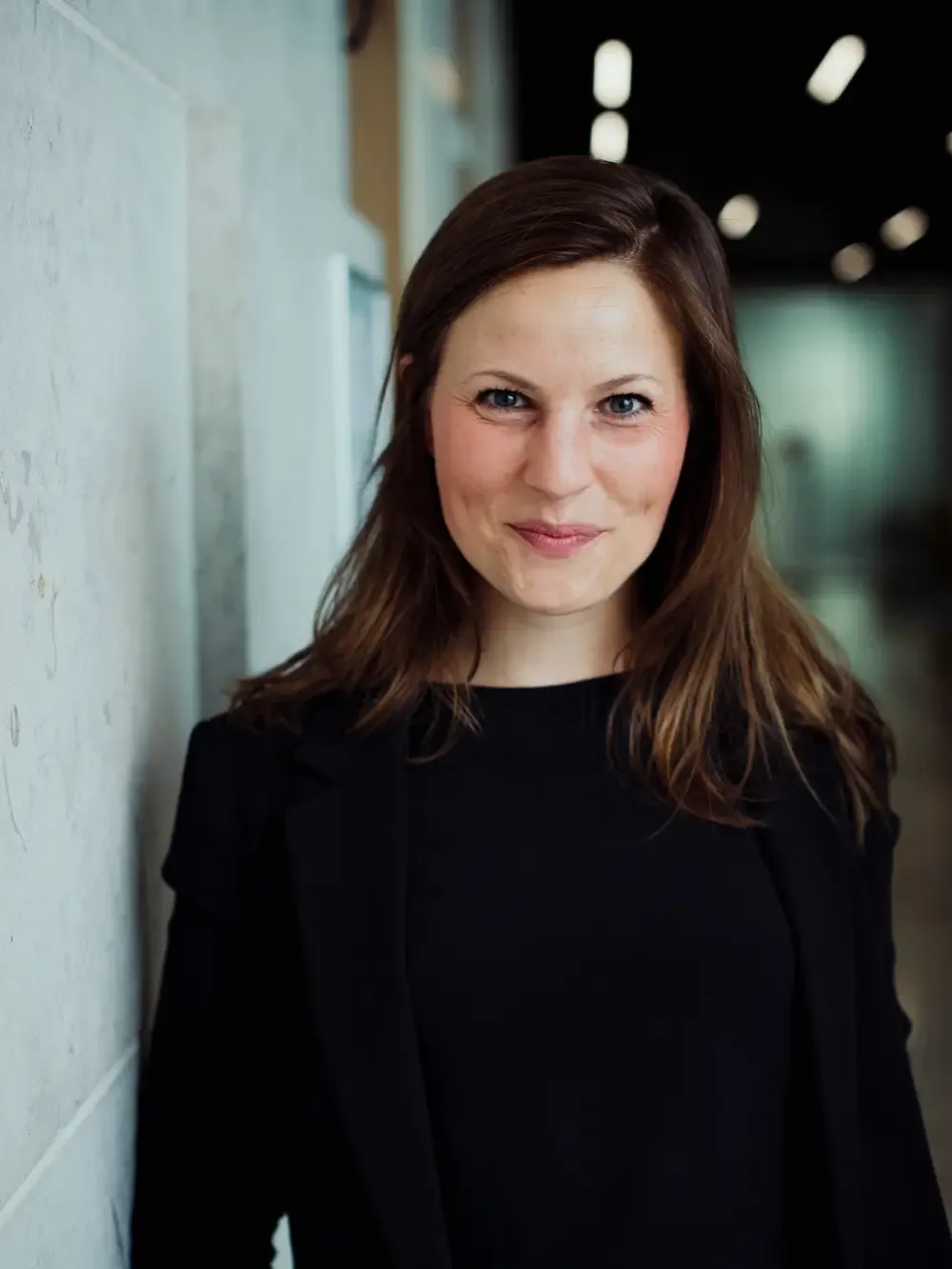
Martina Rahmfeld studied architecture in Bochum and gained many years of experience as a project architect. She has guided numerous office projects from planning to completion. Today, she uses her knowledge of how spaces affect people: with wow tomorrow, she helps companies design digital, hybrid and physical workplaces that are fit for the future. Martina is a member of our hej.build Architecture Advisory Board.
About Orgatec
From 22 to 25 October 2024, Orgatec presented a new trade fair concept with themed »Focus Areas« such as #ImpulseContract and #OfficeXperience. The »Wherever Whenever – Work Culture Festival« of the IBA (the German industry association for office and working environments) took place for the first time. With 729 exhibitors from 40 countries and around 50,000 trade visitors, the leading trade fair for the world of work underlined its international importance.