
Skip to content

Content creation with a smartphone instead of a cinema camera

At a glance

  • Smartphone instead of cinema camera: even large-format building products can be showcased professionally with compact equipment such as a smartphone, gimbal and clip-on microphone.
  • A lean four-step process: from developing the idea through production and organic marketing to archiving, a clear workflow delivers focused results on a manageable budget.
  • Small team, authentic content: a two-person setup creates a relaxed atmosphere for the people on camera and delivers approachable content that often works better on social media.
  • Mobile content creation lets building product manufacturers produce video quickly and with little effort, in step with how fast the channels move.
Published
18/12/23
Reading time
4 minutes
Share
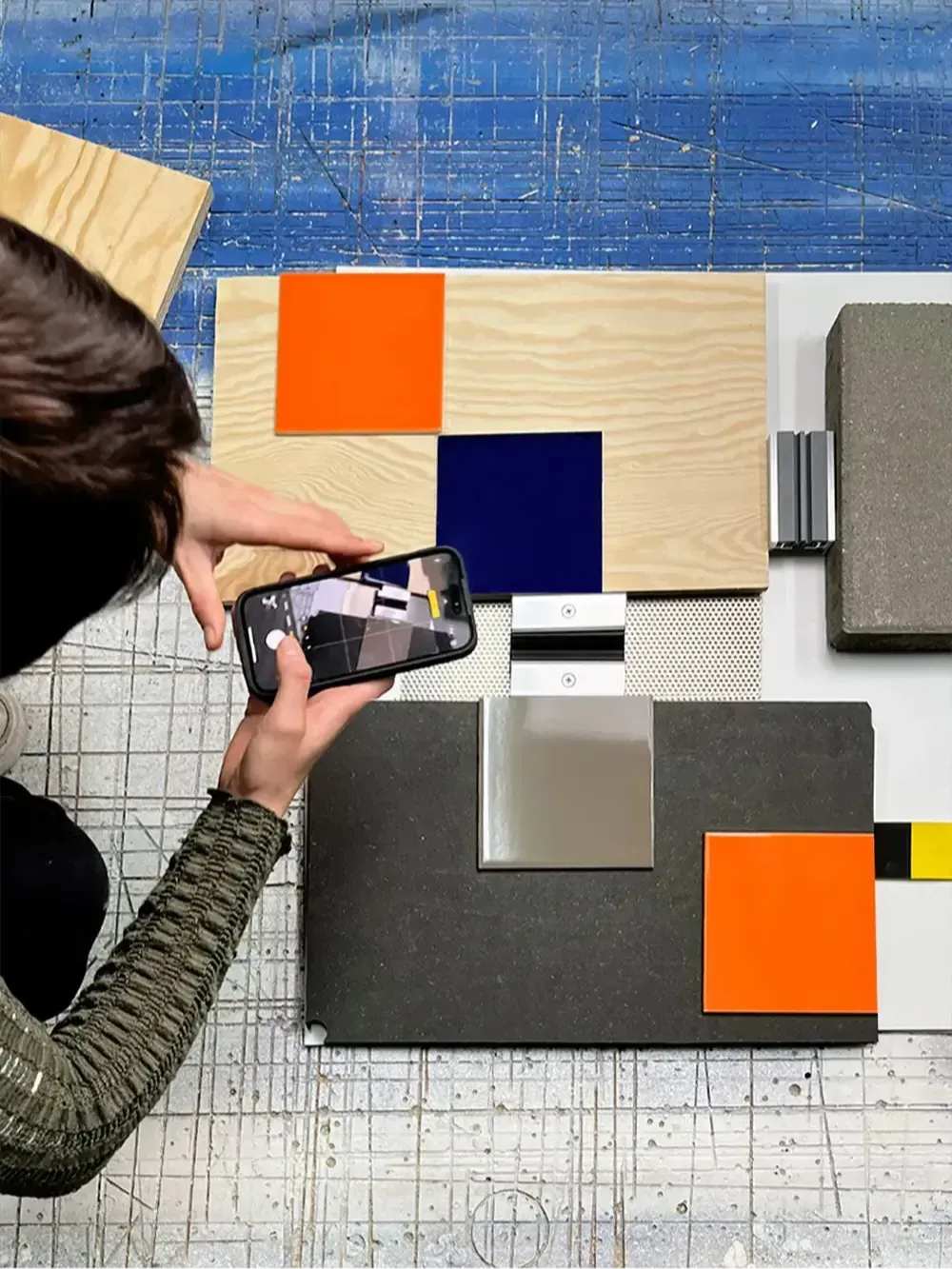
A hej.build team member filming building products from manufacturers with a smartphone.
Contents
  1. Small but mighty: smartphone production for large formats
  2. Purposeful processes and good preparation are everything
  3. How our content comes about behind the scenes
  4. In detail: tips and tricks from the mobile content team
  5. Small team & compact equipment
  6. Frequently asked questions

Small but mighty: smartphone production for large formats

»What on earth are they doing?« We know the puzzled looks that say exactly this all too well when we head out to produce content. One example: even in the crowds of a big city, people stand out when they carry heavy and sometimes bulky building products through the streets and stage them as if it were a VIP shoot. If you’ve ever seen this: hej, that was definitely us.

And the bigger the products, the bigger our equipment? Far from it. Even if the product measures 80 x 60 cm and weighs 60 kg, a smartphone, gimbal, clip-on mics and a little lighting are easily enough to produce the video. As sure as the question mark comes at the beginning, the thumbs-up comes at the end. Our project partners’ puzzled looks brighten over time, and in the end the results surprise them with how they were made (positively, of course).

Purposeful processes and good preparation are everything

For us, content creation means approaching a topic intuitively and keeping production processes lean for the planned communication. Always through the eyes of the target group in question and always within the parameters of the planned communication channel. It is obvious that video is becoming increasingly important compared with static content. The dominance of social media and the higher engagement rate of videos, especially on mobile devices and on the go, speak for themselves.

But what do you do when our clients have come to the same conclusion and the budget still doesn’t stretch to a big video production for every post?

  • Let go of the old idea that video can only be produced with a video camera.
  • Take a leaf out of other industries’ book, or that of content creators or influencers.
  • Rely on mobile content creation and test, test, test. Ideally with us.

How our content comes about behind the scenes

The process of creating good content is individual. We approach every project and every situation afresh and avoid templates that we force onto every project. As free as that sounds, there is a clear process behind it so that we start the photo or video shoot well prepared. We have summarised what that process is and which tips can make your productions faster and easier too.

The content creation process in four steps:

  • Ideas, research & developing the plan
  • Production, implementation and completion
  • Organic marketing through content
  • Data backup and archiving

In detail: tips and tricks from the mobile content team

Developing the plan + research

  • When it comes to reference projects: what has already been published about the project and the people involved?
  • A preliminary conversation is essential to get to know each other, define core messages and, if necessary, choose the location and possible angles
  • Which message goes out in which format?
  • Are the roles and tasks in the content creation team clearly assigned?

Production, implementation and completion

  • Don’t get sidetracked: when shooting building products, produce five variations and then move on down the to-do list.
  • The right light and a well-lit setting are half the battle, because these basic settings can hardly be changed in post-production when editing and putting the content together.
  • Triple sound check: the sound has to be right too, so remove sources of interference such as the interviewees’ mobile phones.
  • For social media: choose statements that work in five seconds.
  • As a basic rule, on days like these we let ourselves be guided by the situation and the interviewees.

Organic marketing through content

  • It is about expanding the brand’s visibility in a trustworthy and therefore lasting way.
  • What decides this is the quality of the content: does it match what the target group needs?

Data backup and archiving

  • Everything at hand: with a content pool, materials and content can be found and used quickly and easily.
  • Screenshots to keep track of content publications

»With smaller equipment, people in front of the lens feel more at ease.«

KimConception & Content at hej.build

Small team & compact equipment

When we produce content, we always arrive on location with two people and equipment that is as compact as possible. There are several reasons for this:

  • We are always outsiders and guests. The smaller the team, the less conspicuously we can capture the situation. The calmer the people on camera are. The closer we can get to them with the lens. The more authentic the content becomes.
  • Most of the channels where the results are shown thrive on a fast pace that production has to match in order to stay current and cost-effective.
  • Saving effort, in our team and therefore automatically for our clients too.
Frequently asked questions about this article

Which smartphone models and accessories are actually suitable for mobile video production of building products?

Current smartphones with a multi-camera system and 4K recording at 60 fps deliver image quality that is more than enough for social media. Add a gimbal, wireless clip-on microphones and a compact LED continuous light. Important: the native camera app is often not enough. Camera apps with manual settings give you control over exposure, white balance and frame rate.

How do I convince decision-makers in my company that smartphone content doesn’t look »cheap«?

The key lies in concrete comparison figures: set the engagement rates and reach of existing, elaborately produced content against the results of a smartphone pilot project. In our experience, authentic, approachable formats often perform better on platforms such as Instagram and LinkedIn than glossy corporate films, because the algorithm rewards content that triggers interaction. An internal test with a manageable budget and measurable KPIs removes sceptics’ doubts faster than any presentation.

Which formats and channels is mobile content creation suited to, and where does it reach its limits?

Mobile content creation is ideal for social media formats such as Reels, Stories, LinkedIn videos and short reference clips, where speed and authenticity count. Behind-the-scenes material from building sites, trade fairs or showrooms can also be produced this way with little effort. The approach reaches its limits with elaborate corporate films for trade fairs or websites that call for slow motion in extreme quality, complex lighting setups or drone footage. The skill lies in combining both production routes strategically.

How much time should you realistically plan for a mobile shooting day, for example when documenting a reference project?

In our experience, a mobile shooting day for a reference project takes about six to eight hours, including setup, interviews and product shots. The actual groundwork, that is the preliminary conversation, the plan and agreeing the core messages, should be scheduled one to two weeks in advance. For post-production, that is editing, colour correction and subtitling, a further one to three working days is realistic, depending on the number of formats. Important: plan in buffer time for spontaneous situations, because the best shots often happen unplanned.

How do I build a sensible internal content pool so that the material produced stays usable in the long term?

What matters is a clear folder structure with consistent naming by project, date, format and channel, ideally in cloud storage or a digital asset management solution. Every asset should be tagged with metadata: product, person on camera, usage rights and the expiry date of approvals. This stops valuable material from being forgotten, and you can go straight to existing clips, photos and statements for new campaigns or seasonal topics.

More articles you might find interesting

How to reach architects in early design stages with Pinterest marketing

Lost in the feed or in the thick of it? How building product manufacturers reach architects and interior architects on social media

Reference stories in architecture communication

Our newsletter from the hej.build world

You’ll be the first to hear about new seminars, webinars and the next hej.bar. You’ll also get our latest articles and news from the team, concise and free of empty phrases. You can unsubscribe at any time.